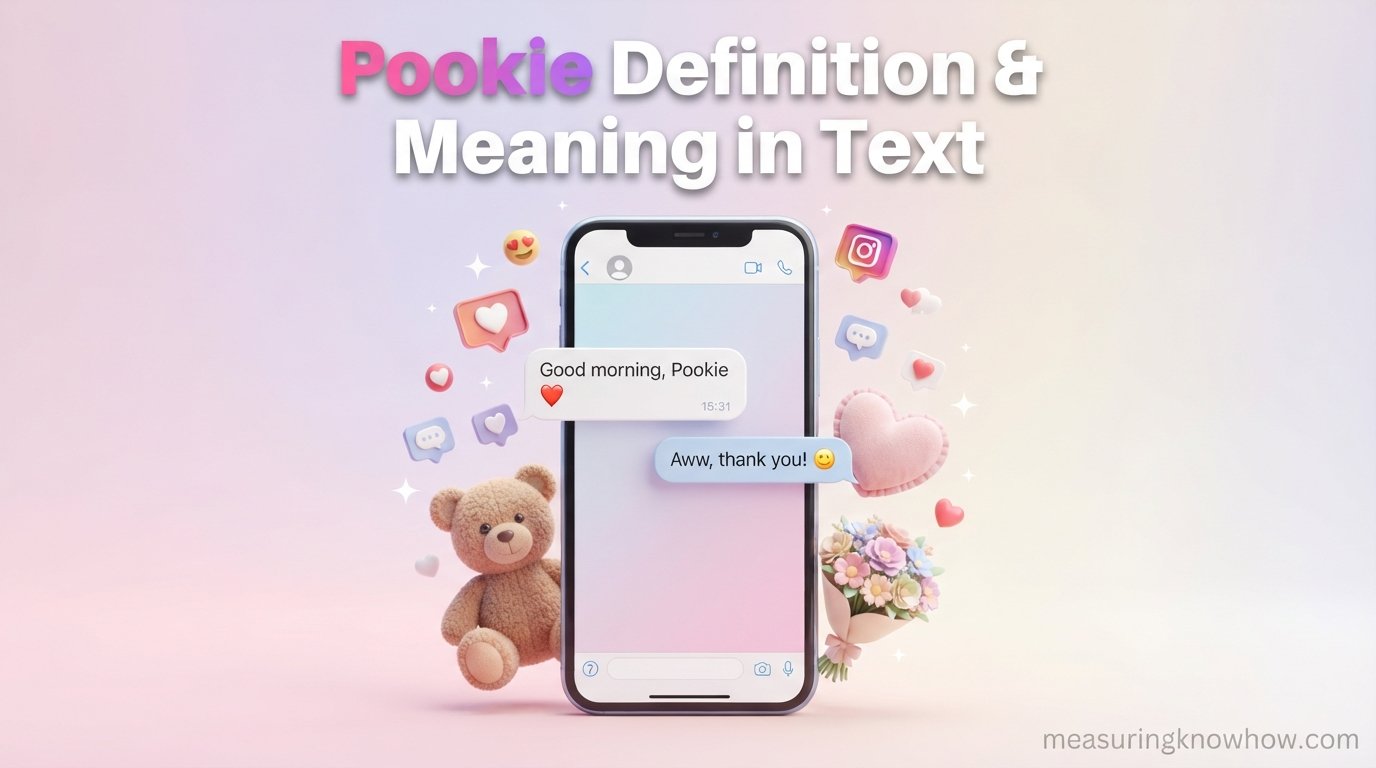
Pookie Definition & Meaning in Text: The Sweet Nickname Everyone Is Talking About
If you’ve spent time on TikTok, Instagram, Snapchat, or even in your text messages lately, you’ve probably seen someone call another person “pookie.” Maybe a friend commented, “Good morning, pookie!” or your partner sent a text saying, “I miss you, pookie.” It sounds affectionate, but what exactly does it mean?
The truth is that pookie doesn’t have one strict definition. Its meaning depends on who says it, the relationship between the people involved, and the situation. Sometimes it’s romantic. Other times it’s playful, sarcastic, or simply a cute nickname between close friends.
Many people search for Pookie Definition & Meaning in Text because they’re unsure whether it’s flirting, friendship, or just another internet trend. This guide explains everything you need to know—from its origin to its modern use in texting and social media—so you’ll know exactly how to understand and use the word naturally.
Pookie Definition & Meaning in Text – Quick Meaning
In texting and online conversations, pookie is an affectionate nickname used to show warmth, love, closeness, or playful admiration.
It can refer to:
- A romantic partner
- Someone you deeply care about
- A best friend
- A family member
- Even a pet
Unlike formal nicknames, pookie carries a soft, comforting feeling. It’s usually meant to make the other person smile.
Simple Definition
Pookie: A cute pet name for someone who is loved, cherished, or considered adorable.
Quick Examples
“Good morning, pookie. Hope you have a great day!”
“You’re my favorite person, pookie ❤️”
“Stop being so cute, pookie.”
Notice that in every example, the word expresses affection rather than describing someone’s personality.
See Also: SMH Meaning in Text: What It Really Means and When to Use It
Origin & Background
No one can point to a single moment when the word pookie was invented. Instead, it developed gradually as an affectionate nickname in American English.
For decades, families have used words like sweetie, honey, pumpkin, baby, and pookie as terms of endearment. Unlike many internet slang words, pookie existed long before social media.
Early Usage
Parents often called young children pookie to express love and protection. Couples later adopted it as a romantic nickname because it sounded soft and unique.
Over time, friends also began using it jokingly.
Influence of Social Media
TikTok gave the word a completely new life.
Creators started calling their partners:
- My pookie
- Pookie bear
- Pookie pie
- My little pookie
Soon, viewers copied the trend, and millions of people began using the nickname online.
Instagram captions, relationship memes, and viral videos helped make pookie one of the internet’s favorite affectionate words.
How the Meaning Has Evolved
Today, pookie is much more flexible than it was years ago.
Depending on the context, it can mean:
- Romantic love
- Cute admiration
- Friendly teasing
- Playful sarcasm
- Emotional closeness
That’s why context matters more than the dictionary definition.
Real-Life Conversations
Seeing the word in actual conversations makes its meaning much easier to understand.
WhatsApp Conversation
Person A:
Hey pookie, did you get home safely?
Person B:
Yep! Just got in. Thanks for checking on me ❤️
Person A:
Good. Sleep well, pookie.
Instagram DM
Person A:
You looked amazing today!
Person B:
Aww thanks, pookie 🥹
Person A:
Always telling the truth.
Here, pookie replaces words like sweetie or dear.
TikTok Comments
Creator:
Made dinner for my boyfriend.
Commenter 1:
Protect pookie at all costs!
Commenter 2:
He’s definitely someone’s pookie.
In these comments, pookie refers to someone who is loved and cherished.
Text Messages
Person A:
I miss you already.
Person B:
I’ll see you tomorrow, pookie ❤️
Person A:
Can’t wait.
This is one of the most common romantic uses.
Friends Chat
Person A:
You forgot your wallet again.
Person B:
Don’t expose me like that, pookie 😂
Here, the nickname is completely friendly and humorous.
Group Chat
Friend 1:
Who’s coming tonight?
Friend 2:
Pookie is driving us.
Friend 3:
Finally! We were waiting.
Sometimes friends jokingly assign one member of the group the nickname pookie just for fun.
Family Conversation
Mom:
Good luck on your exam, pookie.
Son:
Thanks, Mom!
This shows that the word isn’t limited to romantic relationships.
Why These Conversations Matter
One interesting thing about modern communication is that people often choose emotional words instead of formal ones. Calling someone pookie instantly creates a warmer atmosphere than simply using their name.
The nickname can make a conversation feel:
- More personal
- More caring
- More playful
- Less formal
- Emotionally closer
That’s one reason it has become so popular on social media. People naturally enjoy words that strengthen emotional connections without needing long explanations.
In everyday texting, pookie isn’t really about the word itself—it’s about the relationship behind it. The same nickname can sound romantic between partners, comforting between family members, or funny among friends. Understanding that emotional context is the key to interpreting pookie correctly.
Read Also: TBH Meaning in Text: What It Really Means and How People Use It Today
Emotional & Psychological Meaning
Words like pookie are more than cute nicknames—they create emotional closeness. In digital conversations where facial expressions and tone of voice are missing, affectionate words help people communicate warmth and care.
Calling someone pookie often says, “You’re special to me,” without having to say those exact words.
What Emotion Does “Pookie” Express?
Depending on the relationship, it can communicate:
- Affection
- Love
- Comfort
- Playfulness
- Admiration
- Emotional security
- Appreciation
Unlike compliments that focus on appearance or achievements, pookie focuses on the relationship itself. It reminds the other person that they’re valued.
Why Do People Use It?
People naturally create nicknames for those they feel closest to. A unique nickname makes a relationship feel more personal.
For example:
Instead of saying:
“Hi, Sarah.”
Someone might say:
“Hey, pookie!”
The second greeting feels much warmer and more intimate.
What It Reveals About Modern Communication
Today’s online conversations are often fast and informal. Short, affectionate words help people express emotions quickly.
Words like:
- Babe
- Bestie
- Honey
- Boo
- Pookie
have become part of everyday internet language because they instantly create a friendly tone.
Many Gen Z users also enjoy using pookie humorously. They’ll call friends, celebrities, pets, or even fictional characters “pookie” simply because they find them adorable.
A Real-Life Scenario
A close friend of mine started calling everyone in our friend group “pookie.” At first, it sounded unusual because we usually just used each other’s names.
After a few weeks, it became our inside joke.
Whenever someone had a bad day, another friend would text:
“You okay, pookie?”
It wasn’t just a nickname anymore—it became a small way of showing support. That’s why affectionate slang often becomes meaningful over time.
Usage in Different Contexts
The meaning of pookie changes depending on where it’s used and who is saying it.
Pookie Meaning from a Girl
When a girl calls someone pookie, it usually expresses affection, comfort, or emotional closeness.
It may mean:
- She likes you romantically.
- She sees you as a close friend.
- She’s teasing you in a playful way.
- She’s using a cute nickname naturally.
Examples
“Good luck today, pookie ❤️”
“Miss you already, pookie.”
“You’re the sweetest, pookie.”
If you’re unsure whether it’s romantic, pay attention to the rest of the conversation. The nickname alone doesn’t always indicate flirting.
Pookie Meaning in Love
In romantic relationships, pookie is simply another pet name.
It works much like:
- Baby
- Honey
- Sweetheart
- Darling
- Love
Couples often use it to make conversations feel more personal.
Examples:
“Sleep well, pookie.”
“I can’t wait to see you.”
“You’re my favorite person, pookie.”
The word itself isn’t overly serious. It’s soft, affectionate, and often playful.
Pookie Meaning in Chat
In chats and text messages, pookie is usually a replacement for someone’s name.
For example:
Instead of:
“Thanks, Alex.”
Someone may write:
“Thanks, pookie.”
This makes the message feel warmer.
It’s commonly seen on:
- Messenger
- Snapchat
- Discord
- Telegram
- Instagram DMs
See Also: WTW Meaning in Text: What It Really Means on Snapchat, TikTok, Instagram & More
Pookie Definition & Meaning in Text from a Guy
When a guy texts pookie, it usually shows that he feels comfortable with the person he’s talking to.
Possible meanings include:
- Romantic affection
- Friendly teasing
- Emotional closeness
- Playful humor
Examples:
“Morning, pookie.”
“Drive safe, pookie.”
“You’re adorable, pookie.”
Many guys also use the word ironically among male friends as part of internet humor.
Usage on Social Media
On social platforms, pookie has become a viral expression of affection.
You’ll often see comments like:
- “Our favorite pookie.”
- “Protect pookie at all costs.”
- “Pookie deserves better.”
- “She’s so cute, pookie.”
Sometimes people use it for:
- Their favorite influencer
- A celebrity
- A fictional character
- A pet
- Even a favorite sports player
In these situations, the word means someone is lovable or precious.
Friends & Relationships
Among friends, pookie is playful and lighthearted.
Examples:
“Thanks for helping me, pookie.”
“You’re late again, pookie 😂”
Close friends often use affectionate nicknames without romantic intentions.
Work / Professional Settings
This is one place where pookie usually doesn’t belong.
Avoid saying:
“Good morning, pookie.”
to:
- Your manager
- A client
- A customer
- A teacher
- A colleague you don’t know well
Professional communication should remain respectful and neutral.
Instead, use:
- Hello
- Hi
- Good morning
- Thanks
- Appreciate your help
Casual vs Serious Tone
Casual
✔️ “What’s up, pookie?”
✔️ “See you later, pookie!”
These feel natural among people who already know each other.
Serious
❌ “Dear Hiring Manager,
Thank you, pookie.”
This sounds inappropriate because the nickname doesn’t fit the formal situation.
The best rule is simple: if you wouldn’t comfortably call someone “sweetheart” or “honey,” don’t call them pookie either.
When NOT to Use It
Although pookie is generally harmless, there are situations where it can feel awkward or disrespectful.
Avoid using it:
With strangers
Not everyone appreciates unexpected nicknames. Calling someone you’ve just met “pookie” may seem overly familiar.
In professional communication
Emails, meetings, interviews, and business chats should stay professional.
During serious conversations
If someone is discussing grief, illness, or a major problem, using a playful nickname can unintentionally minimize their feelings.
If the other person dislikes nicknames
Some people simply prefer being addressed by their real name. Respect their preference.
Across cultures without context
Terms of endearment don’t translate the same way everywhere. In some cultures, using affectionate nicknames outside close relationships may seem inappropriate or confusing.
Common Misunderstandings
Because pookie is so flexible, people sometimes misunderstand what it means.
Mistaking It for Automatic Flirting
Many assume that anyone using pookie is expressing romantic interest.
Not always.
Friends, siblings, parents, and even online communities use the nickname affectionately without romantic feelings.
Taking It Literally
“Pookie” isn’t a dictionary label for a specific type of person.
It’s simply a term of endearment, much like “sweetie” or “dear.”
Confusing Tone
The same word can have different meanings depending on the conversation.
Compare these:
“Goodnight, pookie ❤️”
This sounds romantic.
“Calm down, pookie 😂”
This is playful and teasing.
“Protect pookie!”
This is internet slang showing affection toward someone admired.
Understanding the surrounding conversation is always more important than focusing on the word alone.
Comparison Table
| Search Intent | What It Means |
|---|---|
| What Does Pookie Mean? | A term of endearment used for someone you love, care about, or find adorable. |
| How to Use Pookie | Use it as a cute nickname for a partner, close friend, family member, or even a pet in casual conversations. |
| Examples of Pookie | “Good morning, pookie!” “Miss you, pookie ❤️” “You’re my favorite pookie.” |
| Pookie vs Babe | Pookie feels more playful and unique, while babe is one of the most common romantic nicknames. |
| Pookie vs Baby | Baby is strongly associated with romantic relationships, whereas pookie can also be used between friends or family. |
| Pookie vs Honey | Honey is a classic term of affection, while pookie has a younger, internet-inspired feel. |
| Pookie vs Bestie | Bestie refers to a close friend. Pookie focuses more on affection and emotional closeness than friendship alone. |
| Pookie vs Boo | Boo usually refers to a romantic partner, while pookie is more flexible and can describe anyone you deeply care about. |
Key Insight
Pookie isn’t defined by romance alone—it’s defined by emotional closeness. Whether it’s used between partners, best friends, siblings, or even for a beloved pet, the word creates a feeling of warmth. Understanding the relationship between the people involved is the easiest way to understand what pookie really means.
Variations & Types of “Pookie”
Internet slang constantly evolves, and pookie has inspired several playful variations. Here are some of the most common forms you’ll see online.
1. Pookie Meaning
Meaning: A sweet nickname used for someone you love, admire, or care about deeply.
Example:
“You’re my pookie forever.”
2. Pookie in Text
In text messages, pookie replaces someone’s name to make the conversation more affectionate.
Example:
“Morning, pookie! Have an amazing day.”
3. Pookie in Chat
In online chats, the word creates a warm and playful atmosphere.
Example:
“Thanks for staying up with me, pookie.”
4. Pookie Slang
As internet slang, pookie refers to someone considered adorable, lovable, or precious.
It’s especially common on:
- TikTok
- Snapchat
- X (Twitter)
- Discord
5. Pookie Nickname
Many couples and close friends use pookie as a personal nickname instead of:
- Babe
- Honey
- Sweetie
- Love
6. Pookie Bear Meaning
“Pookie Bear” is an even more affectionate version.
It usually expresses:
- Deep love
- Comfort
- Emotional attachment
Example:
“Come here, pookie bear.”
7. Pookie Pie Meaning
This playful variation combines pookie with another cute nickname.
Parents often use it with young children, while couples use it jokingly.
8. My Pookie Meaning
When someone says “my pookie,” they’re emphasizing closeness.
Examples:
“That’s my pookie.”
“I miss my pookie.”
The word “my” makes the nickname feel even more personal.
9. Pookie Abbreviation
Unlike terms such as LOL or BRB, pookie doesn’t have a widely accepted abbreviation.
However, close friends sometimes shorten it informally to:
- Pook
- Pooks
- Pooks
These shortened forms are mostly personal nicknames rather than official slang.
10. Pookie as Internet Slang
Today, people even call celebrities, athletes, pets, fictional characters, or favorite creators pookie.
Examples include:
- “Spider-Man is my pookie.”
- “That puppy is such a pookie.”
- “Our favorite streamer is pookie.”
In these cases, the word simply means someone the speaker finds lovable or endearing.
Pookie Meaning from a Girl
If a girl calls you pookie, it usually reflects affection rather than formality. The exact meaning depends on your relationship.
It may mean:
- She feels emotionally close to you.
- She enjoys playful flirting.
- She sees you as a trusted friend.
- She’s naturally affectionate with the people she likes.
Example
Her:
“Don’t forget to eat lunch, pookie.”
This message sounds caring and thoughtful. Whether it’s romantic depends on the broader context and your relationship.
Pookie Meaning in Love
Among couples, pookie functions as a heartfelt pet name.
People often use it to:
- Express affection
- Build intimacy
- Show emotional support
- Add warmth to everyday conversations
Examples
“You’re my favorite person, pookie.”
“Love you, pookie.”
“Sleep well, pookie.”
It’s less formal than “darling” and feels playful without losing its emotional meaning.
Pookie Meaning in Chat
In chats, pookie keeps conversations light and friendly.
Examples:
Friend:
“Thanks for helping me today, pookie!”
Partner:
“Text me when you get home, pookie.”
The nickname softens the tone and makes messages feel more personal.
Pookie Definition & Meaning in Text from a Guy
When a guy texts pookie, he’s usually expressing comfort and familiarity.
Depending on the relationship, it can suggest:
- Romantic interest
- Genuine care
- Friendly teasing
- Playful humor
For example:
“Morning, pookie ❤️”
This often sounds affectionate.
Meanwhile:
“Relax, pookie 😂”
This is more likely playful banter.
The surrounding conversation helps determine the intended meaning.
Pookie Definition & Meaning in Text Urban Dictionary
On internet slang websites like Urban Dictionary, pookie is commonly described as a nickname for someone who is deeply loved, adorable, or emotionally important.
Many user-created definitions describe it as:
- Someone precious
- Your favorite person
- A cute romantic nickname
- Someone you want to protect
While these definitions reflect how many internet users understand the word, remember that they’re community-created rather than official dictionary entries. In everyday communication, pookie generally carries a positive, affectionate meaning.
What Does Pookie Mean from a Guy?
When a guy calls someone pookie, it often means he feels comfortable enough to use a cute nickname.
It might indicate:
- Romantic feelings
- Emotional closeness
- A playful personality
- A habit of using affectionate nicknames
However, some guys also use pookie humorously with close friends because it’s become a popular meme on social media.
Rather than assuming romantic intent, look at his overall behavior, tone, and the nature of your relationship.
Pookie Meaning on Instagram
Instagram has helped make pookie a viral nickname.
You’ll commonly see it in:
- Reels
- Story replies
- Comments
- DMs
- Relationship captions
Examples include:
“Happy birthday to my pookie ❤️”
“Looking amazing, pookie!”
“That’s our pookie.”
On Instagram, the word is often used publicly to show affection, celebrate friendships, or join trending internet humor.
Does Pookie Mean Poop?
This is a surprisingly common question because the words pookie and poopy sound somewhat alike.
The answer is no.
Pookie does not mean poop.
“Pookie” is an affectionate nickname used to express love, care, or admiration.
The confusion usually comes from:
- Similar pronunciation
- Children’s rhyming words
- Funny internet jokes and memes
Although some people jokingly combine the words for humor, their meanings are completely different.
How to Respond When Someone Uses “Pookie”
If someone calls you pookie, your reply should match the tone of your relationship.
Casual Replies
- “Hey, pookie!”
- “What’s up?”
- “Good to hear from you!”
- “You’re too sweet.”
Funny Replies
- “Only if you bring snacks.”
- “Who’s your favorite pookie?”
- “I accept this title.”
- “That’s Mr. Pookie to you!”
Mature Replies
- “Thank you. That made my day.”
- “I appreciate you.”
- “You’re always so thoughtful.”
- “That’s really kind of you.”
Respectful Replies
- “Thanks! Hope you’re doing well too.”
- “You’re very kind.”
- “It’s nice hearing from you.”
- “Hope you have a wonderful day too.”
The best response is always one that feels genuine. Matching the other person’s warmth without overthinking the nickname usually keeps the conversation natural.
Regional & Cultural Usage
Although pookie is widely recognized online, its meaning can vary slightly across cultures and generations. Understanding these differences helps you use the nickname naturally and avoid misunderstandings.
Western Culture
In the United States, Canada, the United Kingdom, and Australia, pookie is commonly used as a term of endearment.
People often use it for:
- Romantic partners
- Children
- Best friends
- Pets
Social media has also expanded its meaning. It’s now common to jokingly call a celebrity, fictional character, or favorite athlete “my pookie.”
Example:
“Ryan Gosling is everyone’s pookie.”
In Western culture, the nickname is generally seen as sweet, playful, and harmless.
Asian Culture
In many Asian countries, affectionate English nicknames are becoming more popular among younger generations thanks to TikTok, Instagram, K-dramas, and global pop culture.
However, people may still prefer traditional terms of endearment in their native language when speaking with family members.
Among young adults, it’s common to mix English words like:
- Babe
- Bestie
- Honey
- Pookie
with their local language in chats and social media captions.
Middle Eastern Culture
In Middle Eastern cultures, affectionate nicknames are usually reserved for close family members or romantic partners.
Calling a stranger or someone you barely know pookie could feel overly familiar or inappropriate.
Within close relationships, however, the nickname is generally understood as playful and affectionate, especially among younger people who spend time on international social media platforms.
Global Internet Usage
Thanks to TikTok, Instagram Reels, memes, and viral videos, pookie has become part of global internet slang.
Today, people use it for:
- Friends
- Partners
- Pets
- Celebrities
- Fictional characters
- Favorite influencers
You’ll often see comments like:
“Protect pookie at all costs.”
or
“That’s my pookie.”
In these cases, the word simply expresses affection or admiration.
Generational Differences
Gen Z
Gen Z has embraced pookie as both a sincere nickname and a humorous meme.
They often use it:
- Ironically
- Affectionately
- In relationship videos
- In friendship jokes
- In viral comment sections
For Gen Z, context changes everything. The same word can be heartfelt one moment and completely sarcastic the next.
Millennials
Millennials are more likely to use traditional pet names such as:
- Honey
- Babe
- Sweetheart
- Love
Many Millennials understand pookie, but they may use it less frequently than Gen Z unless it’s become part of their personal relationship.
Is It Safe for Kids?
Yes, pookie is generally considered a safe and family-friendly nickname.
It doesn’t contain offensive language or inappropriate meanings. Parents often use it for young children, and many siblings or close relatives use it affectionately.
However, context still matters. Children should understand that affectionate nicknames are best used with people they know well, such as family members or trusted friends. It’s also important to respect personal boundaries—if someone doesn’t like being called pookie, using their preferred name is the better choice.
Frequently Asked Questions
What does pookie mean in texting?
In texting, pookie is a loving nickname for someone you care about. It usually expresses affection, warmth, or emotional closeness.
Is pookie a romantic word?
It can be. Many couples use pookie as a romantic pet name, but it’s also commonly used between close friends, family members, and even for pets.
What does pookie mean from a guy?
When a guy says pookie, it often shows affection, comfort, or playful teasing. Whether it’s romantic depends on your relationship and the overall conversation.
Can friends call each other pookie?
Yes. Many friends use pookie as a funny or affectionate nickname without any romantic meaning.
Why is pookie popular on TikTok?
TikTok creators helped make pookie a viral nickname through relationship videos, memes, and humorous comment trends. It quickly became part of everyday internet slang.
Does pookie have a negative meaning?
No. In most situations, pookie has a positive meaning. It’s intended to make someone feel loved, appreciated, or adorable.
Is pookie the same as babe?
Not exactly. Both are affectionate nicknames, but babe is usually more romantic, while pookie is flexible enough to be used for friends, family, partners, and even pets.
Conclusion
Understanding the Pookie Definition & Meaning in Text is easier once you look beyond the word itself and focus on the relationship behind it. Whether it’s used by a romantic partner, a close friend, a family member, or even in a playful social media comment, pookie almost always communicates warmth, affection, and emotional closeness. As with any nickname, context matters. When used thoughtfully and respectfully, pookie is a charming way to make conversations feel more personal, caring, and memorable.